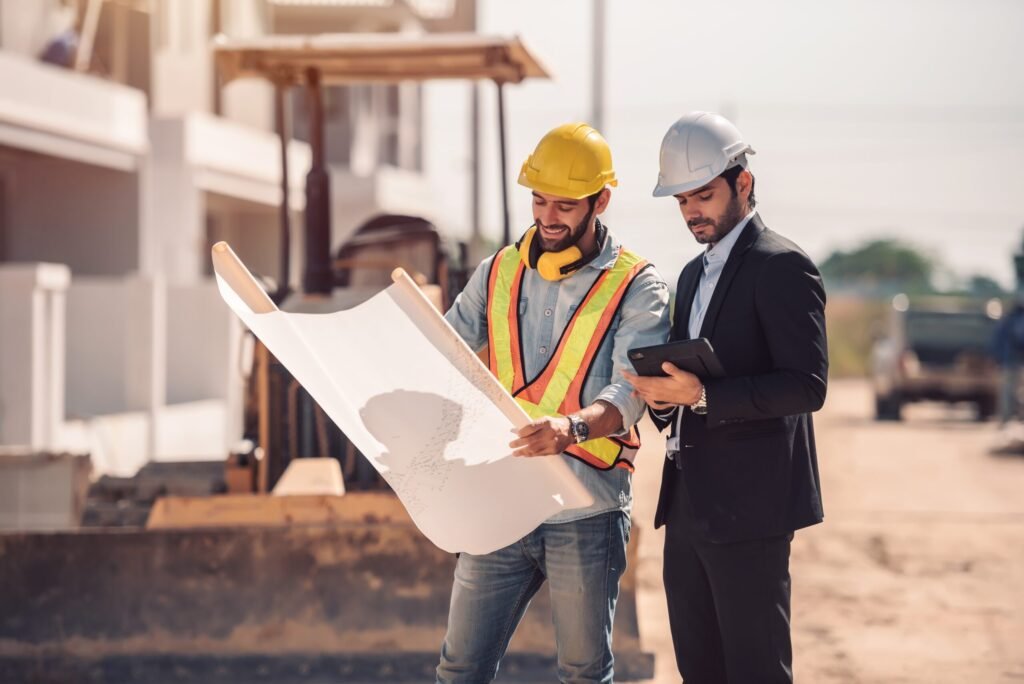
Sustainable construction the practice of designing and building structures that minimise their environmental impact, conserve natural resources, and provide healthy, efficient environments for their occupants is no longer a niche concern reserved for environmentally motivated clients in wealthy countries. It is an increasingly mainstream requirement driven by rising energy costs, growing water scarcity, heightening regulatory requirements, and a genuine shift in client and public expectations about the built environment’s relationship with the natural world.
In Karachi, the case for sustainable construction practices is particularly compelling. The city faces serious and worsening environmental challenges: intense heat exacerbated by the urban heat island effect, chronic water scarcity, unreliable energy supply, and air quality issues driven by vehicle emissions, industrial activity, and construction dust. Buildings that are designed and constructed with sustainability in mind can make a meaningful contribution to addressing these challenges while also delivering significant operational cost savings for their owners and occupants.
Titan Engineers & Constructors is committed to incorporating sustainable construction principles into our projects across Karachi, including in Gulistan-e-Johar and across the city. This article explains what sustainable construction means in practice in the Karachi context and how clients can ensure that their projects benefit from it.
Energy Efficiency: The Most Impactful Sustainability Measure
In Karachi’s climate with temperatures regularly exceeding 35 degrees Celsius in summer and air conditioning accounting for a substantial proportion of building energy consumption energy efficiency is the most impactful sustainability dimension for most building types.
Effective energy efficiency in Karachi’s buildings requires attention to three interconnected areas: the building envelope, the HVAC system, and lighting.
The Building Envelope: The walls, roof, glazing, and openings of a building determine how much heat enters the building from the external environment and how effectively the internal environment can be maintained at a comfortable temperature without excessive mechanical cooling. A well-designed building envelope for Karachi’s climate incorporates adequate thermal insulation in the roof the primary heat gain surface appropriate glazing specifications that balance daylight with solar heat gain, shading devices on south and west-facing facades, and external wall finishes with high solar reflectance.
HVAC Systems: Air conditioning is unavoidable in Karachi’s climate, but modern inverter-technology split systems and variable refrigerant flow (VRF) systems are significantly more energy-efficient than older constant-speed equipment. Specifying high-efficiency air conditioning systems, correctly sized for the actual cooling load of the space, can reduce air conditioning energy consumption by 30 to 50 percent compared to older or oversized equipment.
Lighting: LED lighting systems consume 60 to 80 percent less energy than fluorescent or incandescent alternatives, with comparable or superior light quality. Specifying LED throughout, combined with zoned controls and daylight sensors where appropriate, delivers both energy savings and improved visual comfort.
Water Conservation in Karachi’s Water-Stressed Context
Karachi’s water supply situation is serious and worsening. The city’s official water allocation falls far short of its actual demand, and supply reliability is highly variable across different parts of the city. In this context, water conservation in buildings is not merely an environmental aspiration it is an operational and financial necessity.
Key water conservation measures appropriate for Karachi’s residential and commercial buildings include: low-flow plumbing fixtures taps, showers, and flush cisterns that deliver the required function while consuming significantly less water than standard fittings; rainwater harvesting systems that collect and store monsoon rainfall for non-potable uses such as toilet flushing and irrigation; greywater recycling systems that treat and reuse wastewater from washbasins and showers for flushing and irrigation; and water-efficient landscaping that uses drought-tolerant plants and drip irrigation rather than water-intensive lawns and spray irrigation.
Titan’s MEP design team incorporates water conservation measures into our building service specifications as standard practice, calibrated to the specific requirements and budget of each project.
Sustainable Materials Selection
The environmental impact of a building is determined not only by its operational energy and water consumption but also by the embodied carbon and resource consumption of the materials from which it is constructed. Sustainable materials selection aims to minimise this embodied impact by favouring materials with lower carbon intensity, higher recycled content, responsibly managed supply chains, and longer service lives.
In the Pakistan construction context, practical sustainable materials choices include: blended cements with supplementary cementitious materials (SCMs) such as fly ash or slag, which reduce the carbon intensity of concrete; locally sourced stone and clay products, which minimise transport-related emissions; responsibly sourced timber with appropriate certifications for joinery applications; and high-recycled-content steel reinforcement, which is increasingly available from Pakistan’s electric arc furnace steel producers.
Sustainable materials selection does not always mean higher cost in many cases, locally sourced alternatives are both more sustainable and more economical than imported alternatives.
Passive Design Strategies
Passive design strategies exploit the natural characteristics of the building’s site and climate to reduce the need for mechanical heating, cooling, and lighting. In Karachi’s context, the most relevant passive strategies include: building orientation to minimise east and west-facing glazing, which receives the most intense morning and afternoon sun; cross-ventilation design that allows natural air movement to flush heat from the building during cooler evening and morning periods; thermal mass in the building fabric, which absorbs heat during the day and releases it slowly overnight, moderating interior temperature swings; and generous overhangs and shading devices that prevent direct solar gain through south and west-facing windows during peak summer months.
The Business Case for Sustainable Construction
Sustainable construction features often carry higher upfront costs than conventional alternatives better insulation, high-efficiency HVAC, LED lighting, and water-efficient fixtures all cost more to specify and install than the conventional alternatives. However, the lifecycle economics of sustainable buildings are consistently more favourable.
Reduced energy and water bills deliver ongoing operational savings that, in most cases, provide a full payback on the additional upfront investment within five to ten years and continue to deliver savings for the remainder of the building’s lifespan. Sustainable buildings also typically command higher sale and rental values, and are increasingly preferred by corporate tenants with environmental commitments.
Titan provides lifecycle cost analyses for sustainable construction features on request, helping clients make informed decisions about where to invest in sustainability based on actual financial returns rather than vague environmental principles.
Conclusion
Sustainable construction in Karachi is not a luxury or an ideological choice it is a practical response to the real environmental and operational challenges that buildings in this city face. Energy efficiency, water conservation, sustainable materials, and passive design strategies all deliver genuine, quantifiable benefits to building owners and occupants.
Titan Engineers & Constructors integrates sustainable construction principles into our project designs as a matter of course, helping our clients build smarter, more efficient, and more valuable assets across Karachi.
To discuss sustainable construction options for your project, call or WhatsApp us on 0300 2641483 or email constructiontitan96@gmail.com.